our science
Biology, without the blur.
Kascaid reads immune signals directly from dermal interstitial fluid — a clean, steady matrix that keeps biology intact.
Nearly all diagnostic tests performed today rely on venipuncture blood draws.
The insights unlocked by these tests are profound - but the moment blood enters a collection tube, sample integrity begins to decline, especially for protein markers of immune activity.
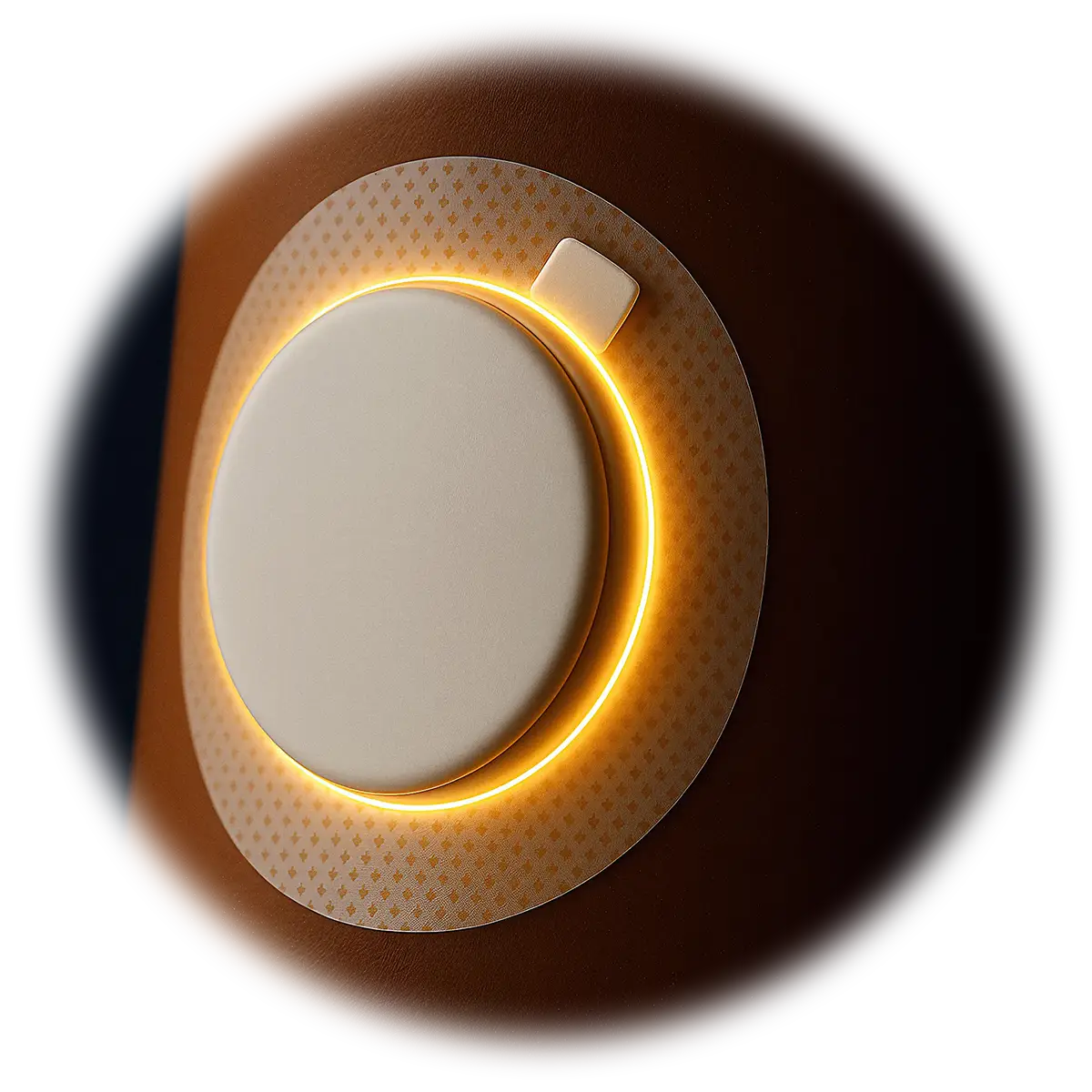
What if we could measure molecular signals as they exist in the body before collection, processing, and degradation distort them?
Kascaid’s approach does exactly that. We access dermal interstitial fluid (dISF), a matrix in natural equilibrium with plasma. dISF mirrors systemic biology without the artifacts introduced by venipuncture, centrifugation, or cell degradation.
Why immune markers?
The immune system is a continuously adapting network that protects the body while maintaining internal balance. When its regulatory cues shift in infection, cancer, autoimmunity, or therapy response, immune biomarkers change early and meaningfully. They are often the first indicators of disease onset, progression, and therapeutic effect.

Where sample integrity starts to slip
Blood samples begin to degrade while they sit in transport or on the bench awaiting processing. As blood cells break down, they release many of the same proteins used as inflammatory biomarkers. Apparent “elevations” may therefore reflect sample handling, not biology.
Rethinking the sample, not the assay
To capture the immune system in its native state, we must move beyond venipuncture toward sampling methods that protect molecular integrity from the outset.
Kascaid’s dISF-based approach provides clean, high-fidelity immune signals that reflect real physiology — enabling insight into disease processes in real time, not in retrospect.
The result? A diagnostic window that reflects the immune system as it truly behaves: dynamic, systemic, and uncompromised.
Let’s advance immune measurement together.
Kascaid is based in the U.S. with partners across clinical research and industry. Reach out to explore pilot studies, data collaborations, or research use of our platform.
Contact our team